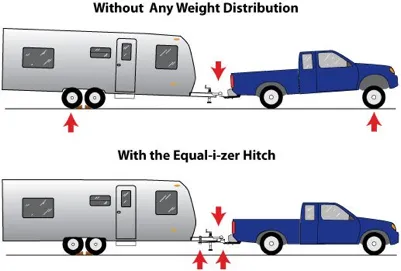
Trailer Weight Distribution 101
Weight Distribution 101: Avoid Sway and Tire Blowouts
Uneven or improper weight distribution is one of the leading causes of trailer sway, premature tire wear, and even serious accidents. Whether you're towing a vehicle, heavy equipment, or general cargo, understanding how to balance your load properly is essential to towing safely.
At Central Florida Trailer Rentals, we want every customer to tow with confidence. This guide explains everything you need to know about safe weight distribution.

Why Weight Distribution Matters
When your trailer's weight is not properly distributed, it can lead to: - Swaying or fishtailing at highway speeds - Excessive pressure on tires or axles - Reduced braking performance - Overheating of tires, leading to blowouts - Loss of control during cornering or downhill braking
Even if you're an experienced driver, improper load balance can quickly lead to dangerous scenarios.
Ideal Load Balance: The 60/40 Rule
The general guideline for enclosed trailers is the 60/40 rule: - 60% of the total weight should be in the front half of the trailer. - The remaining 40% should be toward the rear.
This ensures the tongue of the trailer maintains adequate downward pressure on the hitch, which is key to stability.
Visual Aid: Load Balance Diagram
(A side view of a trailer showing the front 60% loaded with heavier items and the rear 40% with lighter ones)
Step-by-Step: Distributing Weight Safely
1. Weigh Your Load
Use a floor scale or portable wheel scale to determine the total cargo weight.
Know your trailer’s payload capacity and your vehicle’s towing limit.
2. Load the Heaviest Items First
Place heavy cargo or vehicle engines slightly ahead of the axle line, never directly over or behind.
Spread out remaining items evenly across the floor.
3. Balance Side to Side
Uneven side loading can create roll or tip hazards.
Use a level or visual reference (like wheel clearance) to confirm even distribution.
4. Secure Everything
Use E-Track straps, D-rings, and ratchet straps to lock items in place.
Prevent load shift that can alter balance during transport.
Signs of Improper Load Distribution
Trailer tongue is angled upward or downward sharply
Rear sagging or lift at the tow vehicle
Tires look unevenly compressed
Swaying begins at higher speeds or in wind
If you notice any of these signs, stop and inspect your load.
Using Weight Distribution Hitches (Optional)
For especially heavy hauls or longer trailers, a weight distribution hitch helps spread tongue weight more evenly across the tow vehicle’s axles. These hitches use spring bars and brackets to provide balance and smoother handling.
Legal and Safety Limits to Know
Florida DOT requires all trailers to stay within GVWR (Gross Vehicle Weight Rating)
Your trailer’s GVWR and payload limits are listed on the VIN placard
Exceeding these ratings may void insurance coverage or cause mechanical failure
Final Load Distribution Checklist:
Heaviest items placed forward of axle line
Side-to-side weight balanced evenly
Tongue level (or slightly angled down toward hitch)
Load secured to prevent shifting
Vehicle and trailer within weight capacity ratings
Call for Help or Setup Assistance
When you rent from Central Florida Trailer Rentals, we can help you: - Assess your towing vehicle’s limits - Properly balance your cargo - Provide the right tie-down equipment
Call or text us at (321) 467-7070 with any setup questions or safety concerns.
Ramsey Pantaleon
Owner/Operator
Central Florida Trailer Rentals


